
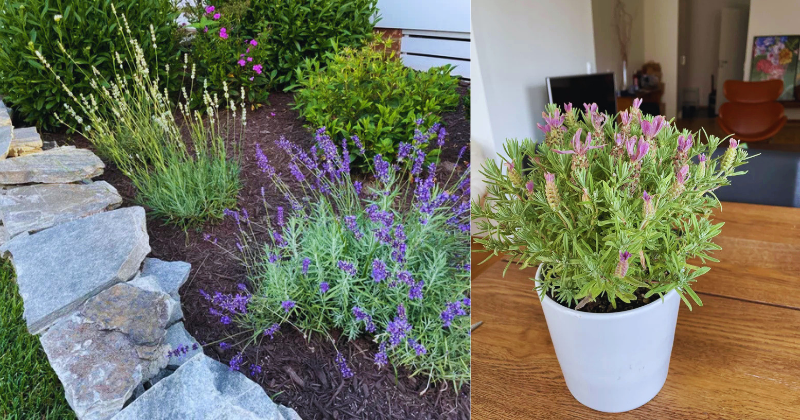
La lavande est l’une des plantes les plus appréciées et les plus polyvalentes au monde. Connue pour son parfum apaisant, ses magnifiques fleurs violettes et sa facilité d’entretien, la lavande est un ajout parfait à tout jardin. Que vous soyez un jardinier débutant ou expérimenté, cultiver de la lavande peut apporter à la fois une beauté esthétique et des avantages pratiques à votre espace extérieur.
Table of Contents
Qu’est-ce que la lavande ?
La lavande est une plante à fleurs appartenant à la famille de la menthe, connue scientifiquement sous le nom de Lavandula. Originaire de la région méditerranéenne, elle prospère dans les climats chauds et ensoleillés ainsi que dans les sols bien drainés. Aujourd’hui, la lavande est largement cultivée dans le monde entier pour ses usages ornementaux, médicinaux et culinaires.
Pourquoi cultiver de la lavande dans votre jardin ?
- Faible entretien : La lavande nécessite peu de soins une fois établie.
- Tolérante à la sécheresse : Parfaite pour les climats secs et les jardins économes en eau.
- Attire les pollinisateurs : Les abeilles et les papillons adorent ses fleurs.
- Parfum naturel : Apporte une odeur apaisante à votre jardin.
- Usages multiples : Utilisée en huiles, tisanes, cuisine et décoration.
Conditions idéales pour cultiver la lavande
1. Ensoleillement
La lavande prospère en plein soleil. Assurez-vous qu’elle reçoit au moins 6 à 8 heures de lumière directe par jour.
2. Type de sol
Un sol bien drainé est essentiel. La lavande ne supporte pas les racines détrempées. Les sols sableux ou graveleux sont idéaux.
3. Arrosage
La lavande préfère les conditions sèches. Arrosez légèrement et laissez le sol sécher entre deux arrosages.
4. Climat
La lavande pousse mieux dans les climats chauds, mais certaines variétés peuvent supporter des régions plus fraîches si elles sont protégées en hiver.
Comment planter la lavande
- Choisissez un emplacement ensoleillé.
- Préparez un sol bien drainé.
- Espacez les plants de 30 à 60 cm.
- Arrosez légèrement après la plantation.
- Ajoutez du paillis pour limiter les mauvaises herbes et améliorer le drainage.
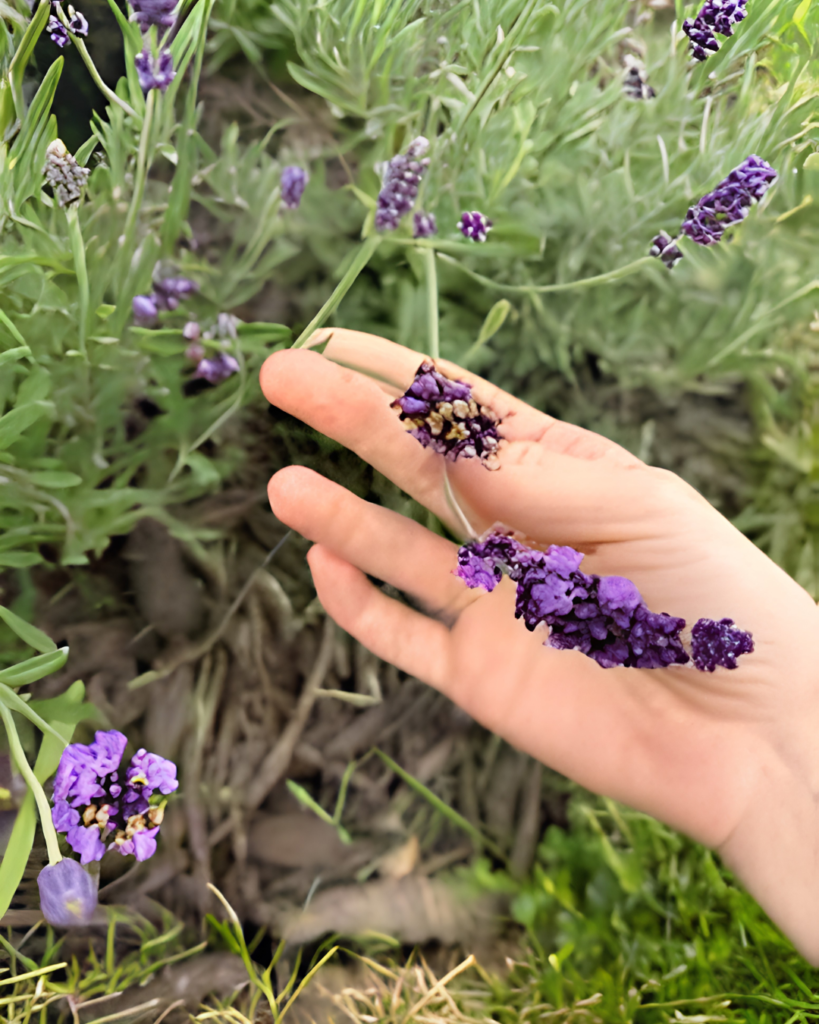
Conseils d’entretien de la lavande
Un bon entretien permet à votre lavande de rester en bonne santé et de fleurir chaque année.
- Taille : Taillez après la floraison pour stimuler la croissance.
- Fertilisation : Évitez les engrais excessifs ; la lavande préfère les sols pauvres.
- Lutte contre les parasites : Résistante naturellement, mais assurez une bonne circulation de l’air pour éviter les maladies fongiques.
- Protection hivernale : Protégez les racines dans les climats froids.
Problèmes courants et solutions
Pourriture des racines
Causée par un excès d’eau ou un mauvais drainage. Assurez un sol drainant et réduisez l’arrosage.
Absence de floraison
Souvent due à un manque de soleil ou à un excès d’engrais. Placez la plante dans un endroit plus ensoleillé et réduisez les apports.
Croissance ligneuse
Se produit lorsque la taille est négligée. Une taille régulière permet de garder la plante compacte et en bonne santé.
Utilisations de la lavande
- Aromathérapie : L’huile de lavande favorise la relaxation et un meilleur sommeil.
- Cuisine : Utilisée dans les tisanes, desserts et mélanges d’herbes.
- Décoration : Les bouquets séchés apportent une touche rustique.
- Soins de la peau : Ingrédient courant dans les produits de beauté naturels.
Meilleures variétés de lavande à cultiver
- Lavande anglaise : Idéale pour les climats froids.
- Lavande française : Décorative et parfumée.
- Lavande espagnole : Fleurs uniques et couleur vive.
Récolte de la lavande
Récoltez la lavande lorsque les fleurs commencent juste à s’ouvrir. Coupez les tiges le matin, après l’évaporation de la rosée. Regroupez-les en bouquets et suspendez-les à l’envers dans un endroit sec et sombre pour conserver leur parfum.
Conclusion
La lavande est une plante intemporelle qui allie beauté, parfum et utilité. Avec peu d’efforts, vous pouvez profiter de ses fleurs magnifiques et de son arôme apaisant année après année. Que ce soit en bordure, en pot ou dans un jardin d’herbes, la lavande est un incontournable pour un espace extérieur naturel.
Commencez à cultiver la lavande dès aujourd’hui et transformez votre jardin en un véritable havre de paix parfumé.